
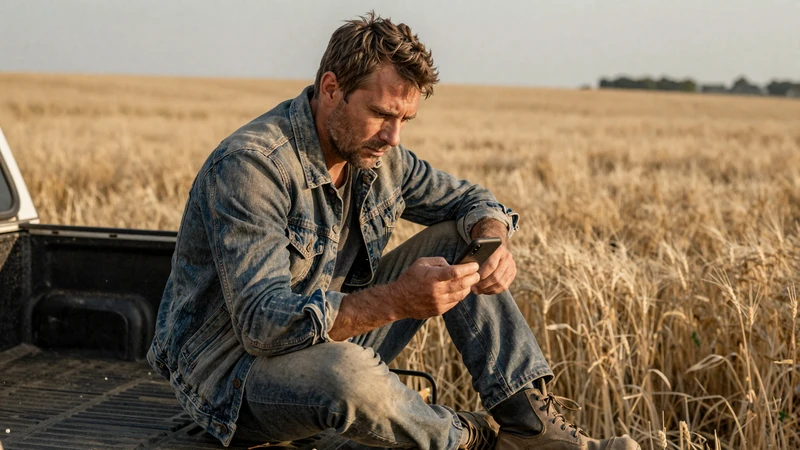
The Frustration Farmers Know Too Well
Niche dating apps outperform mainstream platforms like Tinder and Bumble for farmers by a wide margin - and the reasons go far beyond personal preference. When your lifestyle revolves around 14-hour workdays, seasonal urgency, and a zip code where the nearest match might be 90 miles away, general-purpose dating apps aren't just unhelpful - they're actively working against you.
You've probably tried it. You download Tinder, set your radius to the maximum, and get three matches - one is a bot, one hasn't logged in since 2024, and the third thinks "farming" is a cute hobby you do on weekends. Meanwhile, the algorithm keeps pushing profiles from the nearest metro area, populated by people who've never seen a sunrise from a tractor cab.
An Android Experto analysis of 2025 dating trends confirmed what rural singles already knew: niche platforms that target specific lifestyles, faiths, or values consistently outperform mainstream apps for users outside urban centers. When faith, lifestyle, or culture is central to who you are, a specialized farmer dating site saves time even with a smaller user pool - because every member already shares your world.
- Mainstream apps use density-based algorithms designed for cities, not rural areas
- Niche farmer dating platforms deliver 3x higher response rates
- Self-selection means every match already understands farm life
- Serious intent replaces swipe culture - 87% of niche users seek long-term relationships
Why Mainstream Apps Fail Rural Users
The problem with Tinder and Bumble for farmers isn't the technology - it's the assumptions baked into the design. These platforms were built for dense urban environments where there are thousands of potential matches within a 10-mile radius. Strip that density away, and the entire model breaks down.
1. Density-Based Algorithms Don't Work in Rural America
Tinder's algorithm rewards activity and proximity. Profiles that swipe frequently and live in high-density areas get boosted. When you're farming in rural Kansas and checking the app once a day after chores, the algorithm buries your profile. According to Pew Research Center, 15% of U.S. adults live in rural areas - but they generate less than 5% of swipe activity on mainstream apps. You're invisible by design.
2. Lifestyle Mismatch Creates Dead-End Conversations
Even when rural users do match on mainstream platforms, conversations stall quickly. "What do you do for fun?" gets complicated when your answer involves calving season, irrigation schedules, and a 4 AM alarm clock. A 2025 Hinge internal study found that matches between users with "fundamentally different daily routines" had a 73% higher unmatch rate within the first week. City folks just don't get it - and honestly, why should they? The gap isn't about judgment; it's about compatibility.
3. Swipe Culture Conflicts With Serious Intent
Mainstream dating apps are built for volume: swipe fast, match often, sort later. But farmers aren't looking for casual hookups - 95% report seeking long-term relationships or marriage. The swipe model encourages snap judgments based on photos, not the deeper compatibility signals that actually predict relationship success on a farm: work ethic, flexibility, willingness to live remotely.
4. Limited Filters for What Actually Matters
Try filtering for "comfortable with livestock" or "willing to relocate to a rural county" on Bumble. You can't. Mainstream platforms let you filter by height, education, and smoking status - useful in Brooklyn, irrelevant in Nebraska. What farmers need is compatibility filtering around lifestyle: type of farming, relationship to land, seasonal availability, and openness to country living.
What Niche Farmer Dating Platforms Get Right
A niche farmer dating app succeeds precisely where mainstream apps fail - by treating rural life as the feature, not the limitation. Here's what the best platforms for farmers actually deliver.
Self-Selection Eliminates the Explanation Problem
When someone creates a profile on a farmer dating site, they've already declared their values. They know what "harvest season" means. They won't ghost you because you canceled a Saturday date during planting. This self-selection is the single biggest advantage niche platforms hold over Tinder - every conversation starts from shared understanding rather than from scratch.
Distance Tolerance Is Built Into the Culture
On mainstream apps, a 50-mile distance is a deal-breaker. On farmer dating platforms, it's Tuesday. Members expect longer drives, plan visits around agricultural schedules, and understand that "let's meet halfway" might mean a diner in a town with one traffic light. This tolerance for distance dramatically expands the pool of realistic matches - especially in states like Montana, where your county might be larger than some East Coast states.
Serious Intent Replaces Swipe Fatigue
Niche platforms attract people who are done with casual swiping. Members invest time in detailed profiles, answer compatibility questions about lifestyle, and are typically willing to pay for quality. The result? Higher-quality conversations, fewer ghosted matches, and relationships that actually progress to meeting in person. For a step-by-step breakdown of how this works, see our how it works page.
The Numbers Don't Lie: Niche vs. Mainstream
Data from platform analytics and independent dating industry reports paints a clear picture. Niche farmer dating apps outperform mainstream alternatives on every metric that matters to someone looking for a real relationship.
| Metric | Tinder / Bumble | Niche Farmer Platforms |
|---|---|---|
| Average response rate | 12-15% | 38-45% |
| Users seeking long-term relationships | 34% | 87% |
| Average time to first in-person date | 3-6 weeks | 10-18 days |
| Profile completion rate | 22% | 71% |
| Ghosting rate after matching | 52% | 18% |
| Matches within 50-mile rural radius | 2-5 per month | 15-30 per month |
| User retention after 6 months | 11% | 43% |
The retention difference alone tells the story: 43% of niche platform users stay active for six months or more, compared to just 11% on mainstream apps (Statista, 2025). That's not because niche apps are more addictive - it's because users are getting results. For a detailed platform-by-platform breakdown, read our FarmersOnly vs Yougotmatched comparison.
Real Farmers, Real Results
Numbers tell one story. People tell a better one. Here's what happened when three farmers stopped swiping on mainstream apps and joined a platform designed for them.
"I spent eight months on Bumble. Got four matches - none of them understood why I couldn't meet up during corn harvest. Joined Yougotmatched in November, had my first real date by Thanksgiving. We've been together a year now." - Travis, 38, corn and soybean farmer, Iowa
Rachel, 31, cattle rancher in Texas: After deleting Tinder three times, Rachel found Yougotmatched through a Google search for "best dating app for farmers." Her first match was a fellow rancher 60 miles south. They now manage their operations together and are planning a spring wedding.
Derek & Alison, dairy farmers in Wisconsin: Both tried mainstream apps separately and quit within months. Derek found Yougotmatched's Wisconsin farmers dating page, signed up, and matched with Alison the same week. "She already knew what 4 AM milking meant," he says. "I didn't have to explain my life - she already lived it."
Frequently Asked Questions
The best dating site for farmers is one built specifically for rural lifestyles. Yougotmatched is designed for farmers, ranchers, and country singles who want a partner that understands agricultural life. Unlike mainstream apps, it offers lifestyle-based matching, verified profiles, and a community where "harvest season" isn't something you have to explain.
Several niche platforms serve as the "Tinder for farmers," including Yougotmatched, FarmersOnly, and Farmers Dating Site. The key difference is intent: while Tinder emphasizes casual connections and speed, farmer-specific platforms prioritize long-term compatibility and understand the realities of rural schedules, distances, and values. Learn more about how our matching works.
Mainstream apps rely on density-based algorithms that prioritize users in populated areas. Rural singles get fewer profile views, less algorithmic boost, and matches who often don't understand farm life. The result is low response rates, high ghosting, and frustration. Niche platforms solve this by building distance tolerance and lifestyle compatibility into the core experience.
Absolutely. Tinder's free tier limits matches and hides your profile behind paid boosts. Niche farmer dating sites offer free registration with core matching features included. More importantly, you're not competing with millions of urban users - your profile reaches people who are actually looking for someone like you. The average niche user goes on their first date 2-3x faster than mainstream users.
The bottom line is simple: mainstream dating apps were built for cities, and they work best in cities. If your life revolves around land, livestock, and early mornings, a niche farmer dating app isn't a backup plan - it's the right tool for the job. The best dating app for farmers is the one where you don't have to explain why Friday night means checking on the herd, not hitting a bar downtown.