
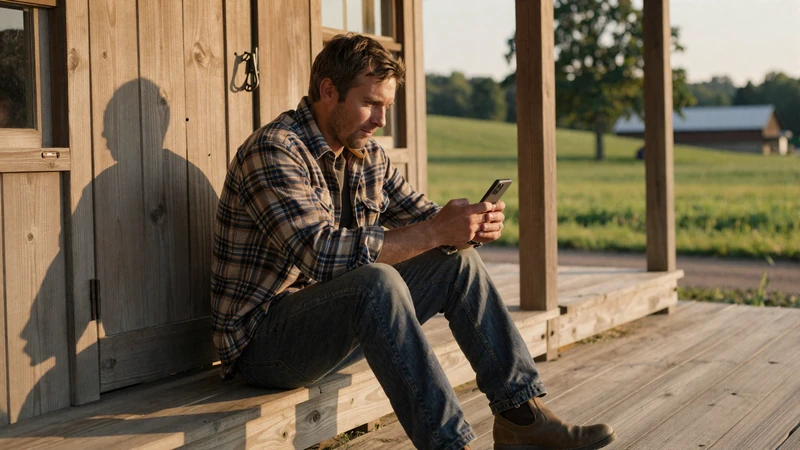
- Farmers are high-value targets for scammers because of land, equipment, and livestock assets
- Never send money to someone you haven't met face-to-face - no exceptions
- Always video chat before meeting in person to verify identity
- Choose public rural spots for first dates: diners, feed stores, county fairs
- Use platforms with profile verification - Yougotmatched verifies 97% of profiles
Why Farmers Are Prime Targets for Dating Scams
Online dating safety for farmers isn't just general internet advice with a rural twist. It's a specific necessity driven by a hard truth: scammers know that farmers have real, tangible assets. Land, livestock, equipment, and generational wealth make agricultural professionals uniquely attractive to bad actors - and not in the romantic sense.
According to the FBI's Internet Crime Complaint Center, romance scams cost Americans over $1.3 billion in 2024 alone, with rural victims losing an average of $64,000 per incident (IC3, 2024). That's more than double the national median because scammers invest longer in farming targets, knowing the payoff is substantial. A 2025 AARP study found that 42% of romance scam victims over 50 lived in rural areas with limited social circles - making isolation a risk multiplier.
Here's the thing: it's not about being naïve. Farmers are some of the most practical, hardworking people in the country. But the same traits that make you successful on the farm - trust, generosity, loyalty - are exactly what scammers exploit. They study farmer dating sites, learn agricultural vocabulary, and build personas designed to feel like "one of your own."
The geographic isolation common in Montana, Nebraska, and other rural states compounds the problem. When your dating pool is small, the arrival of someone who "gets" farm life feels like a gift. Scammers count on that scarcity mindset.
Red Flags That Should Stop You in Your Tracks
Recognizing a scam before it costs you money or heartbreak is the most valuable skill in online dating. These five warning signs should trigger immediate caution - every single time, without exception.
- Money requests under any pretense. Emergency hospital bills, stranded travel, dying relatives, farm equipment breakdowns - the stories vary but the ask is always the same: send money. Real people solve their own financial emergencies.
- Refusal to video chat. Scammers avoid video calls because they can't maintain their fabricated identity on camera. Excuses include broken cameras, shyness, or poor internet. In 2026, everyone has a working camera. No video, no trust.
- Inconsistent stories and details. Their English level doesn't match their claimed education. They said they raise cattle in Texas but don't know what a headgate is. Details shift between conversations. These inconsistencies reveal a scripted persona.
- Too perfect, too fast. Model-quality photos, instant declarations of love, and a profile that mirrors every one of your stated preferences. Real relationships take time. If someone is confessing love within a week, they're running a playbook - not catching feelings.
- Pressure to move off the platform. Scammers want to escape platform monitoring. Urgent requests to switch to WhatsApp, email, or personal phone are a tactic to avoid detection. Stay on the dating platform until you've verified the person is real through video chat.
A reverse image search takes 10 seconds and can save you months of manipulation. Right-click any profile photo, select "Search image," and see if it appears on stock photo sites, social media belonging to someone else, or scam databases. According to the Federal Trade Commission, 40% of reported romance scam profiles used stolen photos (FTC, 2025).
Protecting Your Personal Information Online
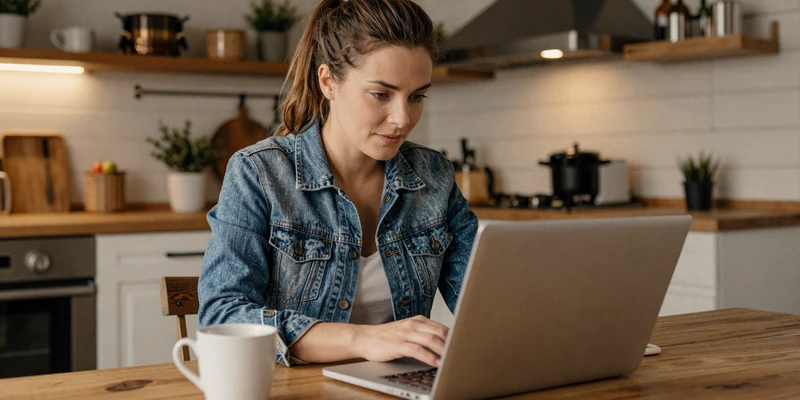
Data protection for farmers goes beyond standard internet privacy. Your farm's location, acreage, equipment value, and financial details are business intelligence that scammers can weaponize. Here's what to share - and what to keep private - until you've established genuine trust.
| Safe to Share Early | Keep Private Until You've Met |
|---|---|
| General type of farming (crops, livestock) | Exact farm location or address |
| Your county or region | Acreage, property value, or financial details |
| Hobbies, values, and interests | Bank information or Social Security number |
| General daily routine | When the farm is unattended or empty |
| What you're looking for in a partner | Full name combined with home address |
Use a separate email address for dating accounts - not the one tied to your farm business, bank, or tax filings. Enable two-factor authentication on your dating profile and every email account. These two steps alone block over 80% of account takeover attempts, according to Google's 2025 security report.
Staying Safe at Your First In-Person Meeting
Meeting someone from a dating site in rural America presents unique logistics. Your nearest coffee shop might be 30 miles away, and cell service drops to zero past the county line. That doesn't mean you skip safety - it means you plan smarter.
✓ Do This
- Meet at a local diner, feed store, or county fair
- Tell a friend or family member your plans
- Drive yourself - always have your own ride home
- Keep your phone fully charged with offline maps
- Choose a daytime meeting for the first date
- Video chat at least once before meeting
✗ Don't Do This
- Invite someone to your farm on the first date
- Meet in a remote or isolated location
- Leave without telling anyone where you're going
- Share your farm address before establishing trust
- Ignore gut feelings that something seems off
- Consume alcohol beyond your comfort level
Rural-specific meeting spots work better than you'd think. A feed store parking lot at 10 AM on a Saturday is busy, public, and familiar territory. Local diners where the waitress knows your name offer a natural safety net. County fairs and farmers markets provide crowds and casual energy that make a first meeting feel low-pressure.
For detailed first-date planning ideas tailored to rural settings, check our guide on the best first date ideas in rural areas.
How Profile Verification Keeps You Protected
The single most effective defense against fake profiles is platform-level verification. Not every dating site offers it - but on Yougotmatched, 97% of profiles are verified through a multi-step process designed to eliminate fakes before they reach your inbox.
Our verification system includes government ID submission, photo verification where users hold a handwritten sign with the current date, and optional video call confirmation with our moderation team. An AI-powered anti-scam engine monitors conversations 24/7, flagging suspicious patterns like money requests, rapid escalation, and profile inconsistencies. Accounts that violate our zero-tolerance policy are blocked immediately - with IP tracking to prevent re-registration.
All data is protected with 256-bit SSL encryption and GDPR-compliant storage. Payment processing is PCI-DSS certified. When you're browsing profiles of Iowa farmers or Christian farm singles, you're interacting with real, verified people - not bots or catfish.
"After getting scammed on another site, I was terrified to try again. Yougotmatched's verification badge gave me the confidence to message first. Three months later, I drove 90 miles to meet David in person - and it was worth every mile." - Sarah T., matched on Yougotmatched, Kansas
What to Do If You Suspect a Scam
If something feels wrong, act quickly. Don't wait to be certain - early action limits damage. Follow these steps in order:
- Stop all communication immediately. Don't confront the scammer or explain why you're leaving. Just stop responding. Scammers are trained to overcome objections.
- Report the profile on the platform. Use the report/block feature. On Yougotmatched, our team reviews every report within 24 hours and takes immediate action.
- Do not send any money. If you've already sent money, contact your bank or wire service immediately to attempt a reversal. Time matters.
- Document everything. Screenshot conversations, profile details, and any financial transactions. This evidence is critical for law enforcement.
- File a report with the FTC at ReportFraud.ftc.gov and with the FBI's IC3 at ic3.gov. Also notify your local sheriff's office.
- Tell someone you trust. Shame keeps victims silent. Romance scams are sophisticated crimes - falling for one doesn't make you foolish. Talk to a friend, family member, or counselor.
For more comprehensive safety resources, visit our safety tips page or check our FAQ section for answers to common security questions.
Frequently Asked Questions
Farmers meet people safely online by using niche dating platforms with profile verification, such as Yougotmatched. Key steps include video chatting before meeting in person, choosing public rural locations for first dates, and never sharing financial details or farm addresses with unverified matches. According to a 2025 Pew Research study, 53% of rural adults who used verified dating platforms reported feeling safe throughout the process.
Yougotmatched is the best dating site for safety-conscious farmers. With 97% verified profiles, AI-powered scam detection, 256-bit SSL encryption, and a zero-tolerance policy for fake accounts, it offers the strongest security in the niche farmer dating space. Unlike general platforms like Tinder or Bumble, Yougotmatched's moderation team understands agricultural lifestyles and can spot imposters who lack genuine farming knowledge.
Stop all communication immediately and report the profile to the platform. Legitimate romantic interests never ask for money, wire transfers, gift cards, or financial assistance - regardless of the story. If you have already sent money, contact your bank for a potential reversal and file reports with the FTC (ReportFraud.ftc.gov) and the FBI's IC3 (ic3.gov). Do not feel embarrassed - romance scams are sophisticated crimes that target people of all backgrounds.
Not for the first meeting. Always meet at a public location first - a local diner, feed store, or county fair. After multiple in-person meetings and established trust, inviting someone to your farm is a natural next step. Before that point, sharing your exact farm location reveals your home address, daily schedule, and asset information to someone whose identity you haven't fully verified.