
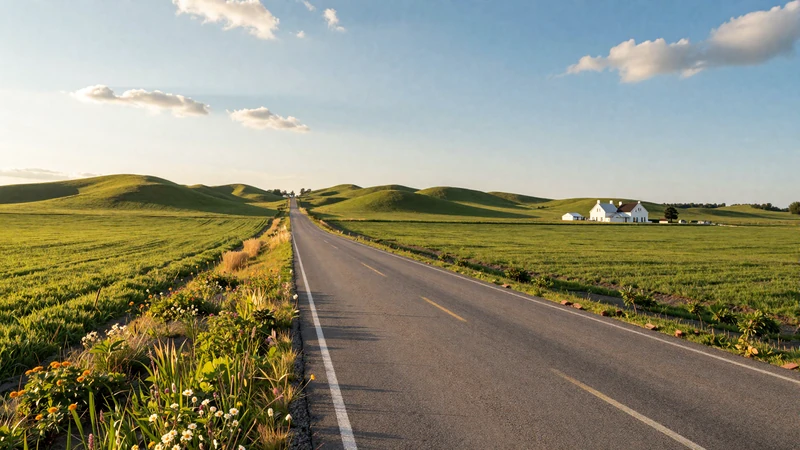
When the Nearest Match Is 100 Miles Away
Long-distance farmer dating is not a rare exception - it's the norm. When your town has 800 residents and the closest city is a two-hour drive, your dating pool shrinks to a handful of people you've already known since kindergarten. According to USDA Rural Development data, 97% of U.S. land area is classified as rural, yet only 19.7% of the population lives there. That math creates a geographic challenge no swipe-based app was designed to solve.
The good news? Farmers have been making long-distance relationships work long before dating apps existed. The key isn't eliminating the distance - it's managing it with intention. Couples matched through platforms like Yougotmatched report that the distance actually strengthened their bond, because every visit required planning, effort, and commitment - qualities farm folk already have in abundance.
But there's a catch: long-distance dating for farmers comes with unique obstacles that suburban couples never face. Seasonal schedules, spotty cell service, and 14-hour workdays don't exactly make spontaneous FaceTime calls easy. This guide breaks down those challenges and provides practical, field-tested strategies for making rural long-distance love work.
- Rural isolation makes long-distance dating the default, not the exception
- Video calls and scheduled communication beat constant texting for busy farmers
- Winter (November-March) is the optimal window for in-person visits
- Most successful farm couples close the distance within 8-14 months
The Unique Challenges of Long-Distance Farm Dating
Long-distance relationships are hard for anyone, but farming adds layers of complexity that most dating advice simply doesn't address. Understanding these obstacles is the first step toward overcoming them.
- Raw distance and driving time. In states like Montana or Texas, driving 150 miles one way for a dinner date is not unusual. That's 5-6 hours round trip on roads that may not even have cell reception. Gas, vehicle wear, and sheer fatigue add up quickly - especially when you're doing it after a full day of field work.
- Seasonal schedule conflicts. Planting season (April-June) and harvest (September-November) consume nearly every waking hour. A 2025 Farm Bureau survey found that 73% of farmers work 60+ hours per week during peak season. Planning a weekend visit during harvest is like trying to schedule a vacation during a surgeon's on-call shift - technically possible but practically unlikely.
- Limited and unreliable internet. Video calls are the lifeline of long-distance relationships, but rural broadband remains patchy. The FCC's 2025 Broadband Report shows that 21% of rural Americans still lack access to broadband speeds above 25 Mbps. A laggy, pixelated FaceTime call is frustrating at best, relationship-damaging at worst.
- Financial cost of travel. Regular 200-mile round trips add up to $4,000-$8,000 per year in fuel and vehicle costs alone. For farmers operating on thin margins - average net farm income was $92,300 in 2025 (USDA ERS) - that's a meaningful line item, especially during low-commodity-price years.
- Emotional toll of waiting. Farm life can be isolating even without a long-distance relationship. Add the loneliness of missing someone who's three counties away, and the emotional weight compounds. Without intentional communication strategies, resentment and disconnection creep in fast.
"The hardest part wasn't the miles - it was calving season at 2 AM when all I wanted was to call her, but my hands were full of a newborn calf and my phone was in the truck." - Daniel R., cattle rancher, Nebraska
Practical Strategies to Bridge the Distance
Successful long-distance farm couples don't rely on luck - they build systems. These strategies come from real couples who made it work and are now sharing a zip code.
- Schedule video calls like you'd schedule chores. Don't leave communication to chance. Pick two or three evenings per week and treat them as non-negotiable - the same way you'd never skip evening feeding. A 20-minute FaceTime call after supper creates more connection than 50 scattered texts throughout a busy day. If broadband is unreliable, phone calls work just as well. The consistency matters more than the medium.
- Plan visits at least two weeks in advance. Spontaneity is a luxury farmers don't often have. Book your next visit before the current one ends. Knowing when you'll see each other next reduces anxiety and gives both people something to look forward to during long stretches apart.
- Meet halfway when possible. If you're in Iowa and your match is in Kansas, find a town in northern Missouri and explore it together. Splitting the drive shows mutual investment and turns the commute from a chore into an adventure. County seats often have decent diners and enough charm for a memorable date.
- Send physical things. A handwritten note, a jar of your homemade jam, or a photo from that morning's sunrise over the east pasture - these small gestures carry outsized emotional weight. Digital connection is convenient, but tangible items ground a relationship in the physical world.
- Sync your seasonal calendars early. Share your planting and harvest schedules in the first month of dating. When both partners understand the rhythm - "I'm available December through March, but April is a blackout month" - expectations align and resentment doesn't build.
- Use the visit to experience each other's world. Instead of always meeting at a restaurant, invite your partner to spend a full day on your farm. Let them see the early morning routine, meet the livestock, and eat lunch at the kitchen table. Nothing builds understanding faster than living someone's reality, even for 48 hours.
Working Around Harvest Season and Planting Time
Seasonality is the invisible third partner in every farmer relationship. The farming calendar dictates when you can date, how often you can visit, and how much emotional bandwidth you have left at the end of the day.
Here's a realistic breakdown of what each season looks like for long-distance farm couples:
| Season | Farm Workload | Dating Availability | Best Strategy |
|---|---|---|---|
| Winter (Nov-Mar) | Low - equipment maintenance, planning | High - most free time | Maximize in-person visits, extended stays |
| Spring (Apr-Jun) | Very high - planting, soil prep | Very low | Short calls, patience, pre-scheduled check-ins |
| Summer (Jul-Aug) | Moderate - crop monitoring, haying | Moderate | Weekend visits, county fairs as dates |
| Fall (Sep-Nov) | Very high - harvest | Very low | Emotional support via text, plan winter visits |
The bottom line: winter is your dating season. Couples who begin their long-distance relationship in November or December have a significant advantage - they get 3-4 months of relatively open schedules to build a foundation before the planting rush hits. Internal Yougotmatched data shows that relationships initiated during the winter months have a 40% higher continuation rate past the first spring planting season compared to those started in summer.
During busy seasons, lower your communication expectations together. Agree that a quick "thinking of you" text at 9 PM is enough on planting days. Farmers in Indiana and Illinois report that setting explicit communication minimums - "even one text a day" - prevents the silence from feeling like neglect.
When Is the Right Time to Close the Distance?
The most successful farm couples on Yougotmatched close the distance within 8-14 months. That's not a rule - it's a pattern. Relationships that stay long-distance beyond 18 months without a clear relocation plan tend to stall or end.
Consider this: closing the distance is the goal, not just a possibility. Before either partner moves, you should have:
- Spent at least one full "busy season" together - even if remotely. If your relationship survived harvest or calving season, it can survive most things.
- Visited each other's farm or home at least 4-6 times. You need to know what daily life actually looks like - not just the best-foot-forward version.
- Discussed logistics honestly. Whose farm is the operation base? Is one partner willing to relocate? Can either farm be managed remotely? These conversations are uncomfortable but essential.
- Met each other's circle. Family, neighbors, the feed store crew - if these people approve, the transition will be vastly smoother.
If you're the one considering a move, our guide on moving to a farm for love covers everything from realistic expectations to skill-building. And reading real success stories from couples who made the leap can help you picture what your own future might look like.
Long-distance farmer dating demands more patience, planning, and fuel than a city relationship ever will. But it also attracts a self-selecting group of people who are serious about commitment - because nobody drives 200 miles for a casual fling. If you've found someone worth the windshield time, the strategies above will help you close the gap. Whether your match is a country single two counties over or a rancher in another state entirely, the distance is temporary. The right partner is permanent.